Betrayal cuts deeply, especially when it comes from the people we trust most—our friends, our family, the ones we thought would never hurt us. In those moments, love can feel impossible. Anger, disappointment, and grief take over. Yet, some of the most powerful examples of love come not from easy relationships, but from the hardest ones.
I unfortunately have experienced the deepest of betrayals in my own life…shocking, unexpected…cut me to the core! It was – and is – brutal! So, I needed to go deep within to learn the lesson, to learn how to heal and protect my heart, to learn how to move forward and live my life with peace and not resentment.
I have a strong suspicion many of you have experienced betrayal of this depth in your own lives, so this perspective may help you as it did me.
With Easter happening this month, the story of Jesus Christ and his death and resurrection offers a striking picture of this kind of love. He was betrayed by those closest to Him—denied, abandoned, and even handed over to suffer by His own followers.
These were not strangers; they were His friends. And yet, even in the face of betrayal, He chose love. He didn’t turn away in bitterness or seek revenge. Instead, He extended forgiveness, compassion, and ultimately gave His life for them.
That kind of love is not natural—it’s intentional.
Loving someone who has hurt you doesn’t mean pretending the pain isn’t real. It doesn’t mean allowing yourself to be mistreated or ignoring healthy boundaries. What it does mean is choosing not to let betrayal harden your heart. It means refusing to let someone else’s actions define the depth of your character.
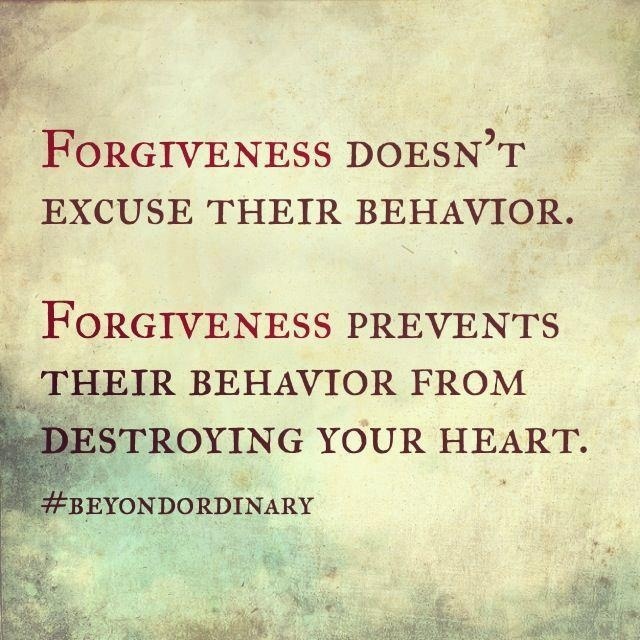
Start small. Love can look like choosing not to speak with cruelty when you’re hurt. It can mean taking time to process your emotions rather than reacting in anger. Sometimes, love means forgiveness—not because the other person deserves it, but because you deserve peace.
It’s also important to remember love doesn’t always mean closeness. Jesus forgave those who betrayed Him, but that didn’t erase what happened. In our own lives, loving someone may still involve distance, honesty, or changed expectations. Sometimes it means permanently saying goodbye to that relationship and accepting it with grace.
At its core, loving through betrayal is about grace—the decision to offer something good even when something painful has been given to you. It’s not easy, and it rarely happens overnight. But it is powerful. It frees you from carrying resentment and opens the door to healing.
In the end, loving like this reflects strength, not weakness. It mirrors a deeper kind of love—one that isn’t based on how others treat us, but on who we choose to be despite it.
Click HERE for my monthly newsletter: Carats & Karats Diamonds, Jewelry, and Lifestyle News From Kat.